
How to Manage Construction Inventory for Better Control and Reduced Wastage

Inventory management is a critical aspect of construction projects. Materials such as cement, steel, aggregates, and finishing items must be available at the right time and in the right quantity. Poor inventory management often leads to delays, wastage, and cost overruns. Understanding how to manage construction inventory is essential for ensuring smooth project execution and maintaining profitability.
In construction environments where multiple materials move across sites, managing inventory manually becomes challenging. Knowing how to manage construction inventory helps organizations bring better control, improve efficiency, and reduce unnecessary losses.
Why Understanding How to Manage Construction Inventory is Important
Construction projects involve continuous procurement, storage, and consumption of materials. Without proper tracking, it becomes difficult to maintain accurate stock levels.
By understanding how to manage construction inventory, companies can ensure that materials are available when needed while avoiding overstocking or shortages. This balance is crucial for maintaining project timelines and controlling costs.
Organizations that focus on how to manage construction inventory can improve operational efficiency and reduce material-related risks.
Accurate Planning and Forecasting
The first step in learning how to manage construction inventory is proper planning. Estimating material requirements based on project scope helps avoid last-minute procurement issues.
Forecasting demand ensures that materials are ordered in advance and delivered on time. It also helps in budgeting and cost control.
When companies focus on accurate planning, they gain better control over inventory and reduce the chances of delays.
Real-Time Inventory Tracking
One of the key aspects of how to manage construction inventory is tracking stock levels continuously. Without real-time visibility, it becomes difficult to monitor material usage and availability.
Tracking inventory regularly helps identify shortages or excess stock early. It also improves transparency between procurement and site teams.
Organizations that prioritize real-time tracking can make informed decisions and avoid disruptions.
Proper Storage and Material Handling
Improper storage can lead to material damage and wastage. Environmental factors such as moisture, temperature, and handling practices play a significant role.
Understanding how to manage construction inventory involves ensuring that materials are stored correctly and handled efficiently. This includes organizing storage areas, labeling materials, and following proper handling procedures.
Good storage practices help maintain material quality and reduce losses.
Minimizing Material Wastage
Material wastage is one of the biggest challenges in construction projects. Over-ordering, poor handling, and lack of monitoring contribute to unnecessary losses.
A key part of how to manage construction inventory is minimizing wastage. This can be achieved through accurate tracking, proper planning, and efficient usage of materials.
Reducing wastage not only lowers costs but also improves overall project efficiency.
Coordinating Between Procurement and Site Teams
Inventory management requires close coordination between procurement teams and site teams. Misalignment can lead to delays or excess stock.
Understanding how to manage construction inventory involves improving communication and coordination. Procurement teams must have visibility into site requirements, while site teams must track consumption accurately.
Better coordination ensures smooth material flow and reduces inefficiencies.
Regular Stock Audits and Reconciliation
Stock audits are essential to ensure that recorded inventory matches actual stock. Discrepancies can occur due to errors, theft, or mismanagement.
A critical aspect of how to manage construction inventory is conducting regular audits and reconciliation. This helps maintain accuracy and accountability.
By performing periodic checks, companies can identify issues early and take corrective action.
Managing Inventory Across Multiple Sites
In large construction projects, inventory is often spread across multiple locations. Tracking materials across these sites adds complexity.
Understanding how to manage construction inventory includes implementing a centralized approach to monitor inventory across all locations. This ensures better visibility and efficient allocation of resources.
Managing multi-site inventory effectively helps avoid duplication and reduces costs.
Avoiding Stockouts and Over-Stocking
Maintaining the right balance between availability and excess stock is crucial. Stockouts can delay work, while overstocking increases holding costs.
A key element of how to manage construction inventory is maintaining optimal stock levels. This requires accurate forecasting, regular monitoring, and timely procurement.
Achieving this balance improves efficiency and reduces financial strain.
Why Tracecost Supports Inventory Management
Tracecost is designed to help construction companies manage inventory more effectively. While understanding how to manage construction inventory is essential, having the right system simplifies execution.
With Tracecost, organizations can:
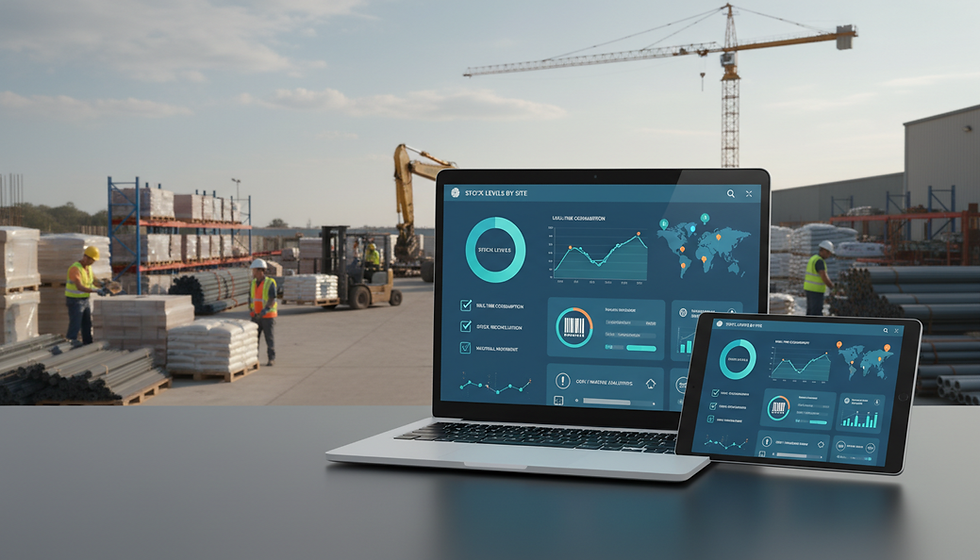
Track inventory in real time across sites
Monitor material consumption
Improve coordination between teams
Reduce wastage and optimize usage
Tracecost aligns with construction workflows, enabling better control over materials and improving overall project efficiency.
Conclusion
Effective inventory management is essential for the success of construction projects. Without proper systems, tracking materials becomes difficult, leading to delays and increased costs.
Understanding how to manage construction inventory helps companies improve planning, reduce wastage, and maintain smooth operations. By focusing on tracking, coordination, and audits, organizations can achieve better control over materials.
Tracecost provides the support needed to implement these practices effectively, helping construction companies manage inventory with confidence and deliver projects successfully.


Comments