
How to Reduce Material Wastage in Construction for Better Cost Control and Efficiency

Material wastage is one of the biggest challenges in construction projects. From cement and steel to finishing materials, even small inefficiencies can lead to significant cost overruns. Poor planning, improper handling, and lack of monitoring are common causes of wastage. This is why understanding how to reduce material wastage in construction is essential for improving project efficiency and profitability.
In large construction projects, where materials are procured and consumed continuously, managing wastage becomes even more critical. Knowing how to reduce material wastage in construction helps organizations optimize resources and maintain better financial control.
Why Understanding How to Reduce Material Wastage in Construction is Important
Material costs account for a major portion of construction budgets. Any wastage directly impacts project profitability.
By focusing on how to reduce material wastage in construction, companies can lower costs, improve efficiency, and reduce environmental impact. It also ensures better utilization of resources across projects.
Organizations that prioritize how to reduce material wastage in construction are better positioned to deliver projects within budget and timelines.
Accurate Planning and Material Estimation
The first step in learning how to reduce material wastage in construction is proper planning. Accurate estimation of material requirements helps avoid over-ordering or shortages.
Detailed planning ensures that materials are procured based on actual project needs. It also reduces the risk of excess stock, which may go unused.
When companies focus on accurate estimation, they gain better control over material usage.
Efficient Inventory Management
Poor inventory management is a major cause of material wastage. Without proper tracking, materials can be misplaced, overused, or damaged.
A key aspect of how to reduce material wastage in construction is maintaining accurate inventory records. Tracking stock levels and consumption helps identify inefficiencies early.
Efficient inventory management ensures that materials are used effectively and reduces unnecessary losses.
Proper Storage and Handling
Improper storage conditions can lead to material damage and wastage. Factors such as moisture, temperature, and handling practices play a significant role.
Understanding how to reduce material wastage in construction involves ensuring that materials are stored correctly and handled with care. This includes using proper storage facilities and following standard handling procedures.
Good storage practices help maintain material quality and prevent losses.
Monitoring Material Consumption
Tracking material usage is essential to identify areas of wastage. Without monitoring, it becomes difficult to control consumption.
A critical part of how to reduce material wastage in construction is measuring and analyzing material usage regularly. This helps detect overuse and take corrective actions.
By monitoring consumption, companies can improve efficiency and reduce wastage.
Improving Workforce Awareness and Training
Human error is a common cause of material wastage. Lack of awareness and improper handling can lead to unnecessary losses.
Understanding how to reduce material wastage in construction includes training workers on proper material usage and handling techniques. Awareness programs can help improve efficiency and reduce mistakes.
A well-trained workforce contributes to better resource management.
Reducing Rework and Errors
Rework is one of the major contributors to material wastage. Poor quality work or incorrect execution often leads to repeated use of materials.
A key aspect of how to reduce material wastage in construction is ensuring that work is done correctly the first time. This requires proper supervision, quality checks, and adherence to standards.
Reducing rework helps save materials and improve overall project efficiency.
Enhancing Coordination Between Teams
Material wastage often occurs due to poor coordination between procurement, store, and site teams. Miscommunication can lead to over-ordering or incorrect usage.
Understanding how to reduce material wastage in construction involves improving communication between teams. Clear coordination ensures that materials are ordered, stored, and used efficiently.
Better teamwork reduces inefficiencies and improves material management.
Using Standardized Processes and Controls
Standardizing material handling and usage processes helps reduce variability and errors.
A critical part of how to reduce material wastage in construction is implementing standard procedures for procurement, storage, and consumption. This ensures consistency across projects.
Standardization helps improve efficiency and reduces wastage.
Tracking and Analyzing Wastage Trends
Analyzing wastage patterns helps identify areas for improvement. Without data, it becomes difficult to implement effective solutions.
Understanding how to reduce material wastage in construction includes tracking wastage trends and identifying root causes. This enables companies to take proactive measures.
Continuous improvement helps achieve long-term efficiency and cost savings.
Why Tracecost Supports Material Control
Tracecost is designed to help construction companies manage materials more effectively. While understanding how to reduce material wastage in construction is essential, having the right system ensures better execution.
With Tracecost, organizations can:
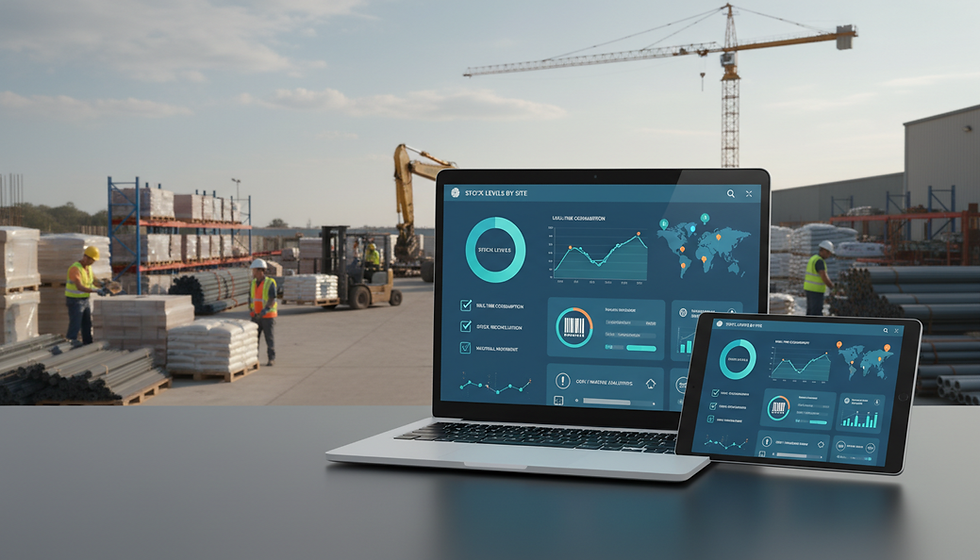
Track material consumption in real time
Monitor inventory across sites
Improve coordination between teams
Identify and reduce wastage
Tracecost aligns with construction workflows, enabling better control over materials and improving project efficiency.
Conclusion
Material wastage is a significant challenge that impacts both costs and project timelines. Without proper control, it can lead to inefficiencies and reduced profitability.
Understanding how to reduce material wastage in construction helps companies improve planning, monitoring, and execution. By focusing on accurate estimation, proper handling, and continuous tracking, organizations can minimize losses.
Tracecost provides the support needed to implement these practices effectively, helping construction companies reduce wastage and deliver projects more efficiently.


Comments